

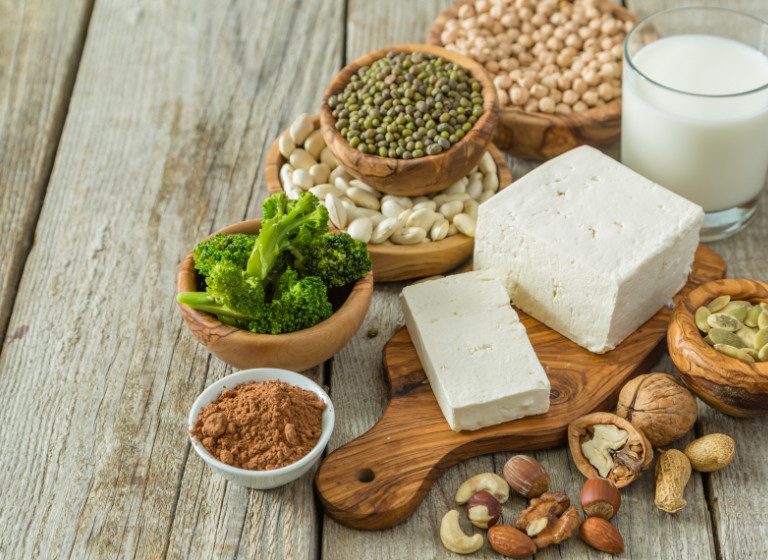
Protein Power-Up: How Consumers Are Redefining Protein
Protein has long been associated with athletes, bodybuilders, and the supplement aisle. Today, that perception has changed dramatically. Protein is no longer a niche nutrition priority and has become a mainstream purchasing driver across the grocery store.
For retailers and suppliers alike, the takeaway is clear: consumers are prioritizing protein and finding it in new ways. The brands and retailers that recognize and respond to this shift will be better positioned to capture shopper attention, increase basket size, and stay competitive in an increasingly dynamic food marketplace. KeHE’s 2026 Macro Trends highlight protein’s growing role in everyday nutrition and shopping behavior.
Protein Is Now a Daily Nutrition Priority
Consumers are more intentional about how food supports their health, energy levels, and long-term wellness. Protein plays a central role in that equation. Research shows that roughly one-third of consumers consider protein content when purchasing food or beverages, reflecting the growing importance of this macronutrient in everyday food choices.
This shift is not limited to a specific demographic. As interest in protein continues to broaden, retailers are finding that protein messaging extends far beyond specialty nutrition products, reaching nearly every department from fresh foods to center-store staples.
Protein Claims Are Expanding Across the Store
One of the most visible signals of the protein trend is how far protein claims have spread beyond traditional categories. Historically, protein positioning lived primarily in products like meat, dairy, and protein bars and shakes. Today, protein can commonly be found in:
- Coffee and ready-to-drink beverages
- Creamers and dairy alternatives
- Pasta and grains
- Baked goods such as cookies and snack bars
- Breakfast products and convenience foods
This shift demonstrates that brands are willing to do the work to make protein a constant rather than risk losing or missing out on conscious consumers. For retailers, this creates new merchandising opportunities. Protein is no longer just a dietary feature; it has become a cross-category attribute that can influence assortment decisions and in-store messaging.
Nutrient Density Is the Next Phase of Protein Innovation
While protein remains the headline nutrient, consumers are increasingly looking for foods that deliver multiple functional benefits at once.
In particular, fiber is emerging as an important complement to protein in new products. Fiber supports digestive health and satiety, helping consumers feel fuller for longer. Growing awareness of rising colorectal cancer rates among younger adults has prompted more conversations around gut health and the role fiber can play in supporting long-term wellness. When combined with protein, it creates a powerful “nutrient-dense” positioning that aligns with broader wellness goals.
Food and beverage launches with “nutrient-dense” claims have nearly doubled since 2015, meaning that retailers should expect this multi-benefit positioning to continue shaping new product introductions. The most successful items will often be those that deliver convenience, taste, and nutritional value simultaneously.
A Changing Protein Landscape
Plant-based meat alternatives, once one of the fastest-growing segments in the industry, have experienced recent declines as consumer enthusiasm has cooled. At the same time, demand for animal-based proteins, particularly premium meat offerings, has seen renewed interest.
Several factors are contributing to this shift. Shoppers are placing greater emphasis on ingredient transparency, taste, and perceived nutritional value. In fact, 69% of consumers report checking ingredient labels before purchasing a product, reflecting a growing focus on understanding exactly what goes into the foods they buy. As a result, many consumers are reassessing protein sources and gravitating toward options they perceive as simpler, more familiar, or higher quality.
For retailers, these shifts signal an opportunity to refine protein assortments rather than simply expand them. The key is understanding which protein sources resonate most strongly with local shoppers, and this is where experienced distribution partners can play a critical role. With deep category insights, data visibility, and close relationships with emerging and established brands, KeHE helps retailers identify the right mix of products to meet evolving demand and to build a more compelling, locally sourced selection.
What Retailers Should Watch Next
Protein has moved well beyond its traditional role as a nutritional supplement and is now a defining force in modern food innovation. Consumers are prioritizing protein
across meals, snacks, and beverages, discovering it in an expanding range of products throughout the store. For retailers, the opportunity lies in recognizing protein not as a single category but as a storewide priority shaping how people shop for food. Those who align assortment strategies, merchandising, and product discovery with this shift will be best positioned to meet evolving consumer expectations and capture the continued momentum behind protein.
In the evolving grocery landscape, the message is simple: protein isn’t just a trend. It’s a powerful signal of where consumer preferences are heading next. To learn more about KeHE’s 2026 Macro Trends, visit https://www.kehe.com/news-blog/news/kehe-distributors-releases-2026-macro-trends/.