
The Informed Shopper: How Technology is Shaping Consumer Choices
Today’s shoppers no longer walk into a store and make decisions based on packaging alone. Before they ever reach the shelf, they’ve often already scrolled, searched, and scanned their way to a decision. Through social media, apps, and AI-powered tools, consumers are arming themselves with more information than ever before, and they’re using it to shop in ways that align with their values around health, sustainability, and budget. KeHE has identified this shift as one of its 2026 Macro Trends shaping the retail landscape.
Education Through Tech
Clean labels are quickly becoming the standard. Over 90% of Millennial and Gen Z consumers say they’re actively looking to avoid certain ingredients, and they expect the brands they buy from to be honest and clear about what’s actually inside their products. Rather than taking claims at face value, shoppers are turning to technology to verify them.
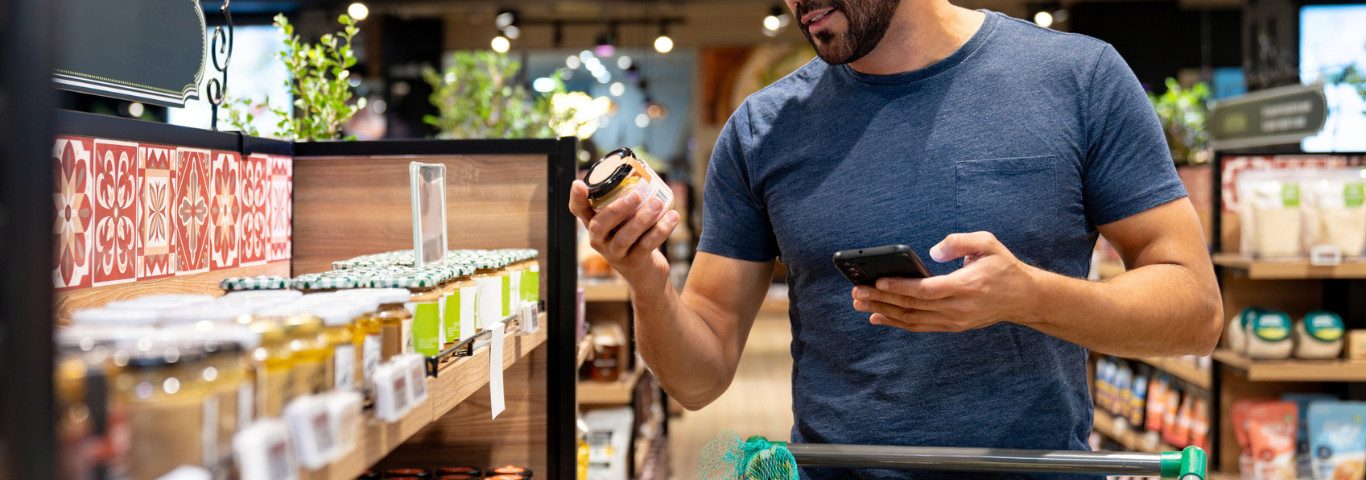
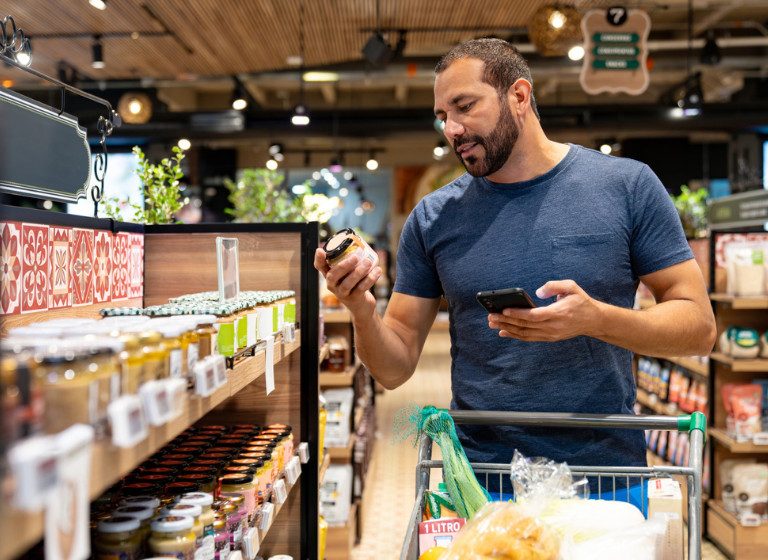
Ingredient-scanning apps like Yuka, which has grown to more than 75 million users worldwide, let consumers scan a barcode and instantly see how a product measures up in terms of food quality or sustainability aside others on the shelves. Many major retailers have built similar scoring systems directly into their own websites, giving shoppers an “Instant Health Score” that flags ingredients tied to potential health risks. The message for brands is that claims need to hold up to scrutiny, because consumers now have the tools to check.
This same appetite for discovery extends beyond ingredients and into how people eat. Social media has become a leading source of culinary inspiration, with 41% of U.S. consumers discovering new cuisines through platforms like TikTok and Instagram, recommendations from friends and family (39%), or cooking shows (34%). For retailers and brands alike, this is the opportunity to tap into where shoppers are actively looking for their next favorite products, before they ever set foot in a store.
Sustainability That Can Be Verified
Consumer preferences are evolving beyond price and taste. Products that visibly benefit people, the planet, and animals are standing out on the shelf, but shoppers want more than a label claiming a brand is “sustainable.” They want proof.
According to Mintel, in the U.S., 66% of consumers research eco and ethical claims before buying, yet only 24% say they trust third-party certifications more than a brand’s own claims, and 36% admit they struggle to tell certifications apart. That gap between interest and understanding is an opportunity for brands willing to simplify their sustainability story and make it verifiable. Consumers today expect sustainability to show up at every step of the shopping journey, from clear labeling and simple packaging to transparent sourcing information, along with a genuine sense of local and community impact.
Economic Uncertainty Is Shifting Behavior, Too
Before making a purchase, informed consumers are comparing prices across retailers, tracking promotions, and using digital tools to determine whether a product’s value justifies its cost. Tariffs and rising costs have made shoppers more deliberate about where their dollars go. Nearly half of consumers (49%) say they’re actively seeking better deals, while 26% report cutting back on luxury and non-essential purchases. Another 35% say they’re switching to more affordable brands or private-label products, and 27% intend to support local businesses by prioritizing products made in the USA.
Notably, 62% of consumers say rising prices will make them reconsider their loyalty to certain brands, a reminder that value and transparency now go hand in hand. Younger consumers, in particular, are focused less on price per serving and more on the total shelf price, which means pricing tactics like shrinkflation, reducing product size without lowering price, may do more to erode trust than a straightforward price increase would.
What This Means for Retailers and Brands
The informed shopper is here to stay, and the takeaway is that consumers are no longer relying solely on packaging or marketing to make decisions. They’re cross-referencing claims, scanning ingredients, comparing prices, and researching sustainability efforts before they ever put a product in their cart. Brands that lead with transparency, and back it up with easily verifiable information, are best positioned to earn trust and loyalty in this environment. Curating an assortment of brands that welcome scrutiny rather than shy away from it can help retailers build the kind of trust that keeps informed shoppers coming back.
Explore KeHE’s 2026 Macro Trends and discover how retailers can bring these consumer-driven products to the shelf by logging into KeHE CONNECT Retailer® .
Not yet a KeHE retailer? Sign up today!