

The Return to Real: What Today’s Food Choices Reveal About Changing Values
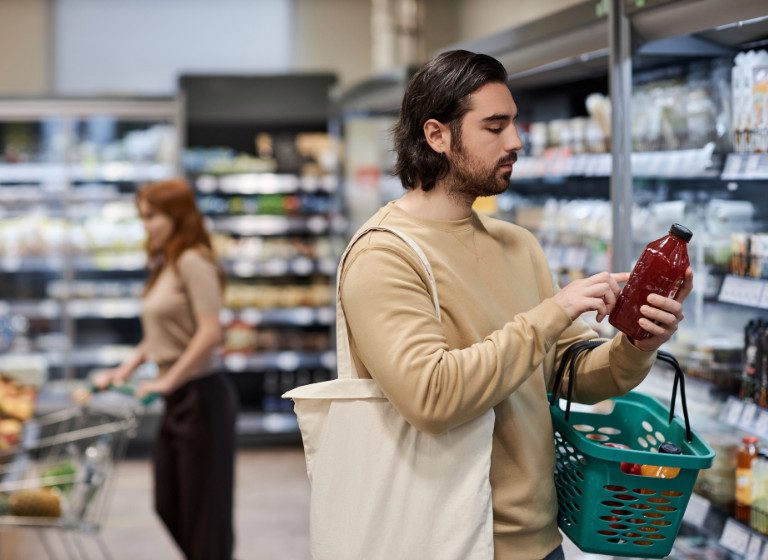
Consumers are rethinking and being more intentional about what they put on their plates. Across categories and generations, one message is loud and clear: today’s shoppers are gravitating toward products that feel familiar, transparent, and authentic.
This “return to real” trend isn’t about rejecting innovation or convenience. Instead, it reflects a growing desire for food that aligns with personal values and fosters trust. Whether it’s a packaged product with a short ingredient list, a comforting meal cooked at home, or produce sourced from a local farm, consumers want products that make them feel good both nutritionally and emotionally. KeHE has identified this shift as one of its 2026 Macro Trends shaping shoppers’ decision-making today.
Whole Ingredients and Transparency
The demand for whole, recognizable ingredients continues to accelerate. Health concerns and growing awareness of the health risks posed by ultra-processed foods have pushed shoppers to scrutinize labels more closely than ever before. Clean ingredients, minimal processing, and straightforward nutrition are no longer “nice to have”; they are winning components that drive purchases.
Today, 42% of consumers say they are purchasing more “all natural” products than they did last year. This trend is especially pronounced among younger shoppers: 90% of Gen Z and Millennials report actively avoiding ingredients like artificial colors and sweeteners. Consumers aren’t purchasing based on buzzwords; they are making intentional choices rooted in transparency and trust.
What’s notable is that this movement cuts across demographics. From parents shopping for their families to younger adults building lifelong habits, authenticity and ingredient clarity resonate widely. Consumers want to understand what’s in their food and where it comes from. Products that communicate simplicity and honesty are increasingly winning shelf space and loyalty.
Comfort Foods in Uncertain Times
Economic pressures play a significant role in shaping food decisions, and today’s environment is no exception. As budgets tighten, practicality and affordability become more important, but comfort matters just as much.
During times of economic hardship, consumers often seek meals that are familiar, filling, and emotionally satisfying. Pantry staples and nostalgic dishes are seeing renewed relevance, not only because they’re cost-effective, but because they provide reassurance. These are the meals that remind people of home, family, and simpler times.
To save money while eating more “real,” 51% of consumers report cooking at home more than they did last year. This shift creates more meal occasions and opens the door for products that support home cooking, especially those that deliver homemade taste and quality without adding complexity. Simple ingredients, versatile formats, and comfort-forward flavors are particularly well positioned to meet this need.
Local Products and Human Connection
While technology has made global connections easier than ever, it has also intensified the desire for local, human-centered experiences. Food is a natural place for that connection to come to life.
Consumers are increasingly motivated to buy locally produced foods, from fresh dairy and eggs to meats, honey, and produce. One in three Gen Z and Millennial consumers regularly shop at a local farmer’s market, and 72% of shoppers say they try to buy from local companies when possible.
This interest goes beyond freshness and quality, though those remain important drivers. Buying local is also about supporting nearby producers, strengthening community ties, and building more resilient supply chains. Shoppers want to know the people behind their food and feel that their purchases make a tangible impact.
Local products offer something that mass-produced goods often can’t: a story. Whether it’s a family-run farm, a regional specialty, or a small-batch producer, these human elements add meaning to the shopping experience. In a crowded marketplace, that sense of connection can be a powerful differentiator.
What the Return to Real Means for Brands and Retailers
The return to real reflects a broader shift in consumer priorities toward transparency, simplicity, and trust. For brands and retailers, success lies in understanding that realness isn’t a single quality, but a combination of ingredient integrity and human connection.
Consumers want food that fits their lives, supports their values, and helps them feel good about the choices they make every day. As these expectations continue to shape the marketplace, the brands that lead will be those that meet consumers where they are with real food, real stories, and real purpose.
Explore KeHE’s 2026 Macro Trends and discover how retailers can bring these consumer-driven products to the shelf by logging into KeHE CONNECT Retailer.